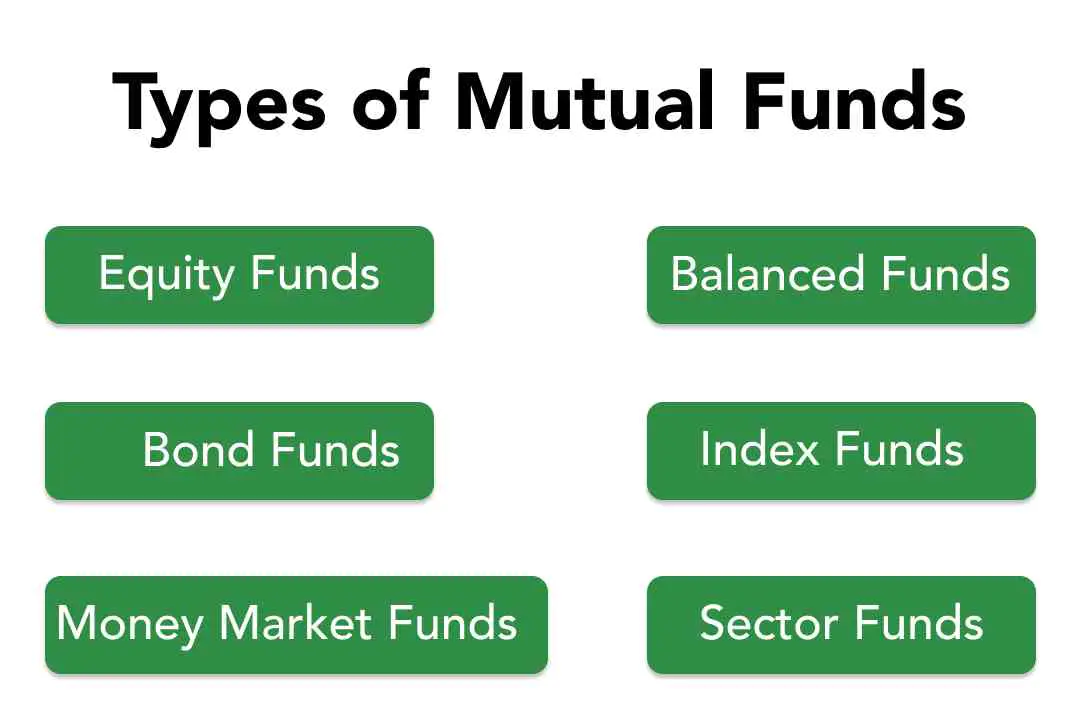
When you invest in a mutual fund you can either put in a fixed amount every month (a Systematic Investment Plan, or SIP) or invest a large amount at once (a lump sum). Neither is always better. The right choice depends on how your money arrives and how comfortable you are with ups and downs.
How a SIP works
A SIP moves a fixed amount from your bank account into a fund on a chosen date each month. When the unit price is low you receive more units, and when it is high you receive fewer. Over time this averages your purchase cost, often called rupee-cost averaging.
How a lump sum works
You invest the whole amount on one day. All of it is exposed to the market straight away. If prices rise afterwards, you gain more; if they fall, you feel the full fall.
Where SIP fits well
- Your income arrives monthly, for example as a salary.
- You are new to investing and want to avoid guessing the right moment.
- You want a disciplined habit, since the money moves automatically.
- You are investing for a long goal such as retirement, a house or education.
Where a lump sum fits
- You have received a bonus, sale proceeds or maturity amount.
- You have a long horizon and can accept short-term swings.
- You are putting money into a debt or liquid fund where price swings are small.
A middle path: staggered investing
If you hold a large sum but worry about investing at a peak, you can park it in a low-risk fund and move it into an equity fund in equal parts over several months using a Systematic Transfer Plan (STP).
Things that matter more than the method
- Time in the market. Staying invested for years matters more than the exact starting day.
- Costs. Compare the expense ratio of similar funds; direct plans have lower costs than regular plans.
- Asset allocation. The mix of equity and debt should match your goal and risk comfort.
- Not stopping in a fall. Many investors stop SIPs when markets drop, which is exactly when units are cheapest.
To see how a monthly amount could grow under different assumed returns, try the free SIP calculator. The result is an estimate, not a promise, because market returns are not guaranteed.
A simple numerical illustration
Suppose a fund's unit price is 100 in month one, 80 in month two and 120 in month three. A SIP of 1,000 each month buys 10, 12.5 and 8.33 units, a total of 30.83 units for 3,000. The average cost per unit is about 97.3, lower than the simple average of the prices (100) because more units were bought when the price was low. Now imagine the price had only risen. The lump sum would have given the better result. SIP does not guarantee a profit or beat a lump sum every time. It reduces the risk of investing everything at an unlucky moment.
Practical details of a SIP
- Amounts: many funds accept small monthly amounts, so you can start modestly.
- Date: choose a day soon after your salary arrives.
- Step-up SIP: raise the amount each year as your income grows.
- Flexibility: you can pause or stop a SIP, subject to the fund's rules.
- Exit load and tax: each instalment is treated as a separate purchase for the holding period, so check the rules before redeeming.
Choosing the type of fund
- Goal in under three years: consider low-risk debt or liquid options. Equity funds can fall sharply in the short term.
- Goal in three to five years: a mix, such as hybrid funds, may suit some people.
- Goal beyond five to seven years: equity funds, including index funds, are commonly used for the growth portion.
Index funds and active funds
An index fund simply copies a market index and usually has a very low expense ratio. An active fund tries to beat the index and charges more. Many active funds fail to beat their benchmark consistently after costs, which is why many investors keep part of their money in index funds. Look at 5- and 10-year records against the benchmark, not just last year's return.
Things to check before you invest
- The fund's category and benchmark.
- Expense ratio of the direct plan versus the regular plan.
- Fund manager and fund house track record.
- Riskometer rating and the mandate in the scheme document.
- Completed KYC and a nominee on your account.
Review once or twice a year
You do not need to watch daily prices. Review your goals once or twice a year, rebalance if your equity share has drifted far from your plan and replace a fund only if it consistently lags its peers or its mandate changes.
Note: This article is for education only and is not investment, tax or legal advice. Check current rules and talk to a registered adviser before you act.
Covering financial markets, commodity rates, and practical technology insights for India. Researched and fact-checked in accordance with our Editorial Policy.
Related & Trending Stories
Recommended based on your reading interest